Transform Your Home With Expert Roof Coating Solutions for Durability and Protection
Homeowners typically neglect the importance of roof coating. This essential solution can dramatically strengthen a roof's durability and protection against environmental hazards. By installing a qualified professional coating, roofs secure a strong barrier that combats ultraviolet damage and blocks moisture leaks. However, understanding the various types of roof coatings and their application method is crucial. What should homeowners evaluate before committing to professional roofing solutions? The answers lie ahead.
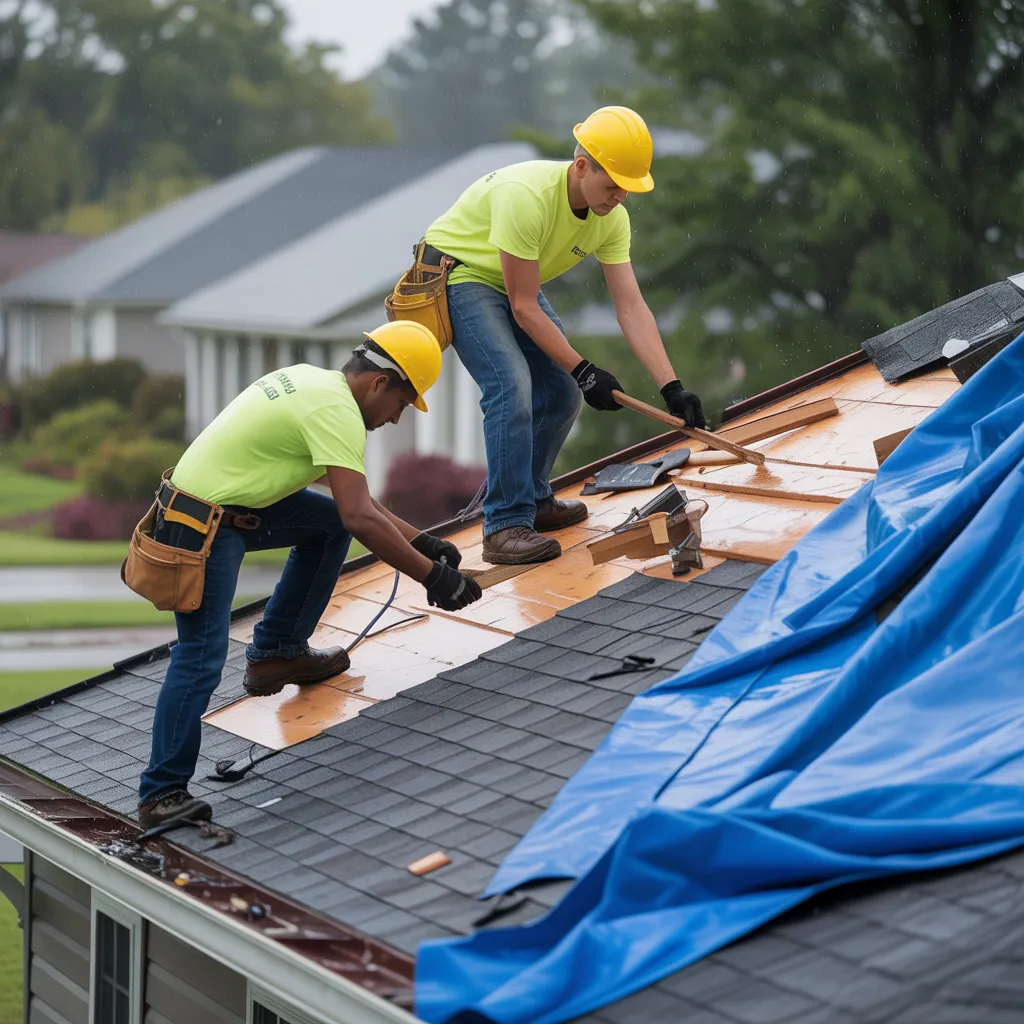
Understanding Roofing Coating and Its Significance
Roof coating forms a shielding layer that improves the endurance and service life of roofing systems. This treatment works as a barrier against environmental factors such as UV radiation, moisture, and extreme temperatures. By reflecting sunlight, roof coatings can reduce heat absorption, producing minimized energy expenses and improved indoor comfort. Additionally, they stop the breakdown of roofing materials, which can be caused by prolonged exposure to rain and snow.
Grasping the significance of roof coating involves acknowledging its role in maintaining the structural soundness of a building. It mitigates the risk of leaks and water damage, ensuring that the underlying materials stay intact. Moreover, roof coatings can be used to multiple roofing types, making them versatile solutions for homeowners. Overall, investing in roof coating is a preventative approach to prolonging the life of a roof and lowering long-term maintenance expenses.
Key Benefits of Expert Roof Coating Solutions
Selecting expert roofing coating solutions delivers numerous advantages that enhance the protective qualities of find guide roof structures. One important advantage is the enhanced durability of the roof, as premium coatings offer an additional layer of defense against severe weather, UV rays, and potential leaks. This boosts the lifespan of the roof material, reducing the demand for expensive restoration and new roofing.
Additionally, professional application ensures an even and complete coverage, which is crucial for peak performance. Experts have the proper equipment and expertise to detect existing issues and resolve them effectively, avoiding future complications.
Also, roof coatings can strengthen energy savings by reflecting solar heat, producing lower cooling costs. This not only profits homeowners in savings but also fosters environmental sustainability. Ultimately, professional roof coating services give long-term protection and peace of mind, making them a solid investment for any property owner.
Various Varieties of Roof Coatings You Can Choose
When analyzing roof coatings, property owners discover a variety of options tailored to specific needs and conditions. Among the most common types are acrylic coatings, recognized for their flexibility and UV resistance, making them ideal for areas with intense sunlight. Silicone coatings offer excellent water-resistant capabilities and are protected to mold and mildew, while also being environmentally friendly. Polyurethane coatings supply durability and abrasion resistance, often chosen for commercial properties due to their strength. For those seeking a reflective solution, reflective roof coatings boost energy efficiency by minimizing heat absorption. Finally, asphalt-based coatings serve as a cost-effective option for older roofs, delivering a protective layer against the elements. Each type of coating has unique benefits, allowing property owners to select the most suitable option based on their roof's material, climate, and desired longevity.
The Roof Coating Implementation Technique
Applying a roof coating involves a methodical process to guarantee flawless adhesion and durability. The process begins with a detailed examination of the roof’s surface to identify any damage or areas requiring repair. Next, the roof is cleaned carefully to remove dirt, debris, and any previous coatings that may hinder adhesion. This step is essential, as a clean surface secures the coating adheres properly.
After the roof is prepared, any cracks or seams are sealed to stop leaks. Following this, the protective layer is applied using either spray, rolling, or brush methods, ensuring even coverage across the entire surface. Typically, numerous applications are recommended for best protection, with proper drying time between applications.
Finally, the application is inspected for consistency and any overlooked areas. This careful process improves the roof's durability and functionality, providing homeowners with confidence regarding their investment.
Upkeeping Your Roof After Protective Layer Installation for Prolonged Protection
To ensure the durability and performance of a freshly coated roof, consistent maintenance is crucial. Homeowners should conduct routine inspections to detect any signs of wear, harm, or accumulation of debris. Promptly addressing small issues can prevent more serious problems down the line. It is advisable to clear the roof regularly, removing leaves, dirt, and other debris that can trap moisture and lead to deterioration.
In addition, guaranteeing proper water flow is crucial; blocked gutters can cause water to pool, possibly damaging the roof coating. Homeowners should also be aware of the surrounding environment, trimming overhanging branches that might scratch or damage the coating.
Employing a gentle cleaning solution during maintenance can help preserve the soundness of the coating without causing harm. By maintaining these preservation methods, property dwellers can enhance the durability and protective qualities of their coated roofs, securing durable operation and tranquility.
Frequently Asked Questions
How Many Times Should I Reapply Roof Coating?
Roof coating should typically be refreshed every 5 to 10 years, based on the material, climate conditions, and wear. Regular inspections can help determine the appropriate timing for reapplication to ensure optimal protection.
Should Roof Coating Be Applied in Cold Weather?
Roof coating may be installed during winter, but circumstances need to be ideal. Temperatures should ideally remain above the manufacturer's specified minimum, and surfaces should stay dry to assure proper bonding and effectiveness of the coating.
Does Roof Coating Alter My Home's Warranty?
A sealant applied to the roof may impact a home's coverage, depending on the manufacturer's guidelines. Homeowners should reach out to the manufacturer or review their warranty papers to understand any potential effects before moving forward with applying coating.
Is Roof Coating Secure for Pets and Vegetation?
Roof coating tends to be safe for creatures and flora once fully cured. It is advisable to keep animals and vegetation distant during the application phase to circumvent conceivable short-term exposure to dangerous chemicals and gases.
Where Can I Source a Quality Roof Coating Contractor Who Proves Dependable?
To locate a reliable roof coating contractor, one should ask for referrals from friends or family, read online reviews, verify credentials, and request estimates from multiple contractors to compare services and prices effectively.